Rebuilding Hope: Breast Reconstruction After Cancer
The Emotional Journey of Breast Cancer Survivors
Breast cancer is not just a physical ailment; it’s an emotional odyssey that profoundly affects those who endure it. For many survivors, the journey doesn’t end with the cancer treatment; it extends into the realm of rebuilding their bodies and self-image through breast reconstruction. This process is often a crucial step in healing. It offers a sense of closure and a way to reclaim their bodies after the ravages of cancer. Breast reconstruction can be a beacon of hope, symbolizing survival and the start of a new chapter. It plays a pivotal role in the emotional recovery of breast cancer survivors.
The decision to undergo breast reconstruction is deeply personal and can be influenced by a myriad of factors. These includes the individual’s sense of identity, body image, and emotional well-being. For many, it represents a significant milestone in their cancer journey. It marks a point of moving forward and restoring what was lost.
Types of Breast Reconstruction: Exploring Options for Patients
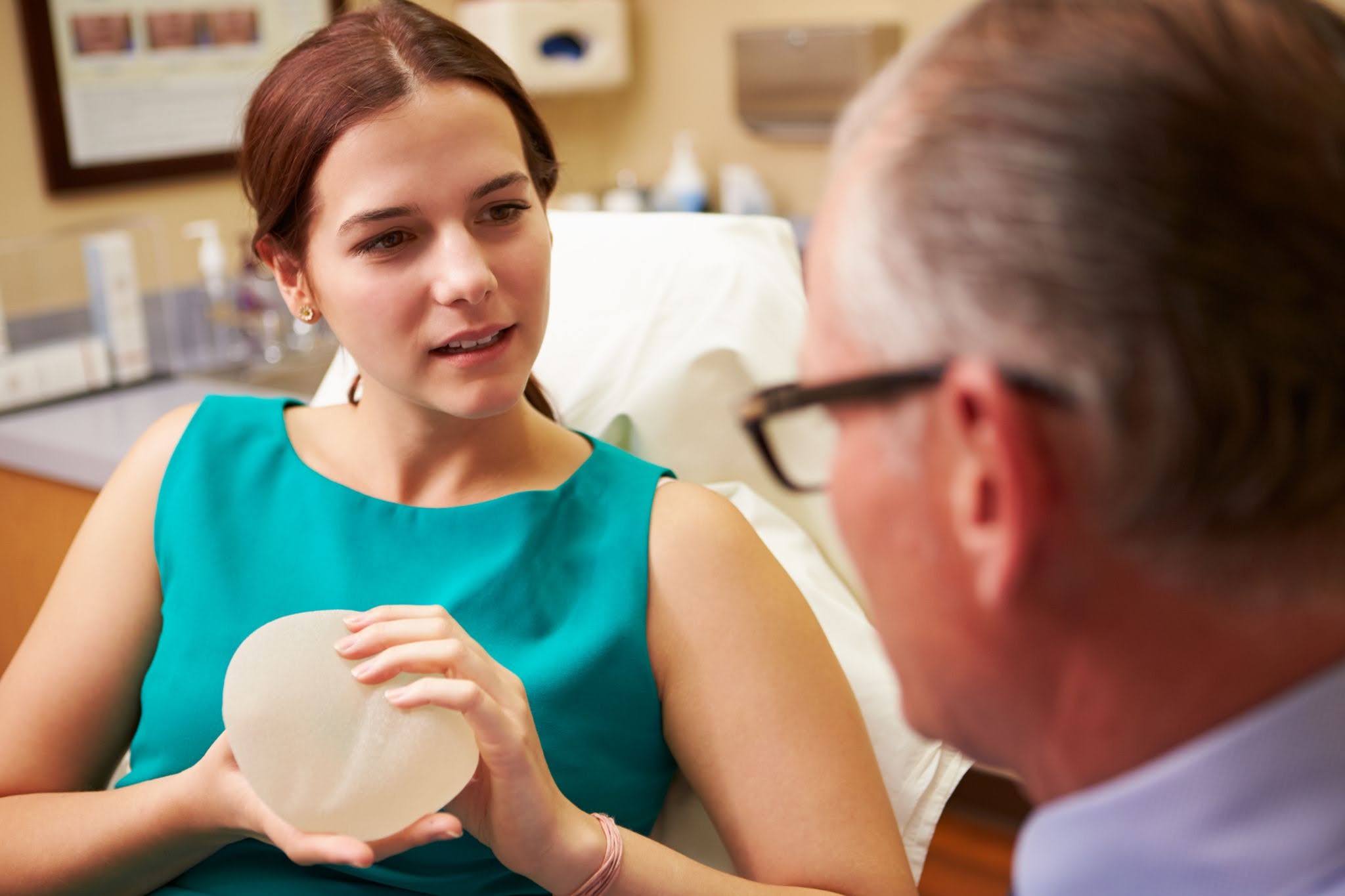
Breast reconstruction after cancer offers several options, allowing patients to choose a path that best suits their needs and goals. The two primary types of reconstruction are implant-based reconstruction and autologous or “flap” reconstruction. Implant-based reconstruction involves the use of saline or silicone implants to recreate the breast mound. This method is often chosen for its shorter surgery time and recovery period.
Autologous reconstruction, on the other hand, uses tissue from another part of the patient’s body, such as the abdomen, back, or thighs, to rebuild the breast. This option is preferred by those who desire a more natural look and feel. Each type has its advantages and considerations, and the choice depends on various factors. This includes the patient’s health, body type, and personal preference.
The Reconstruction Process: A Guide to the Surgical Journey
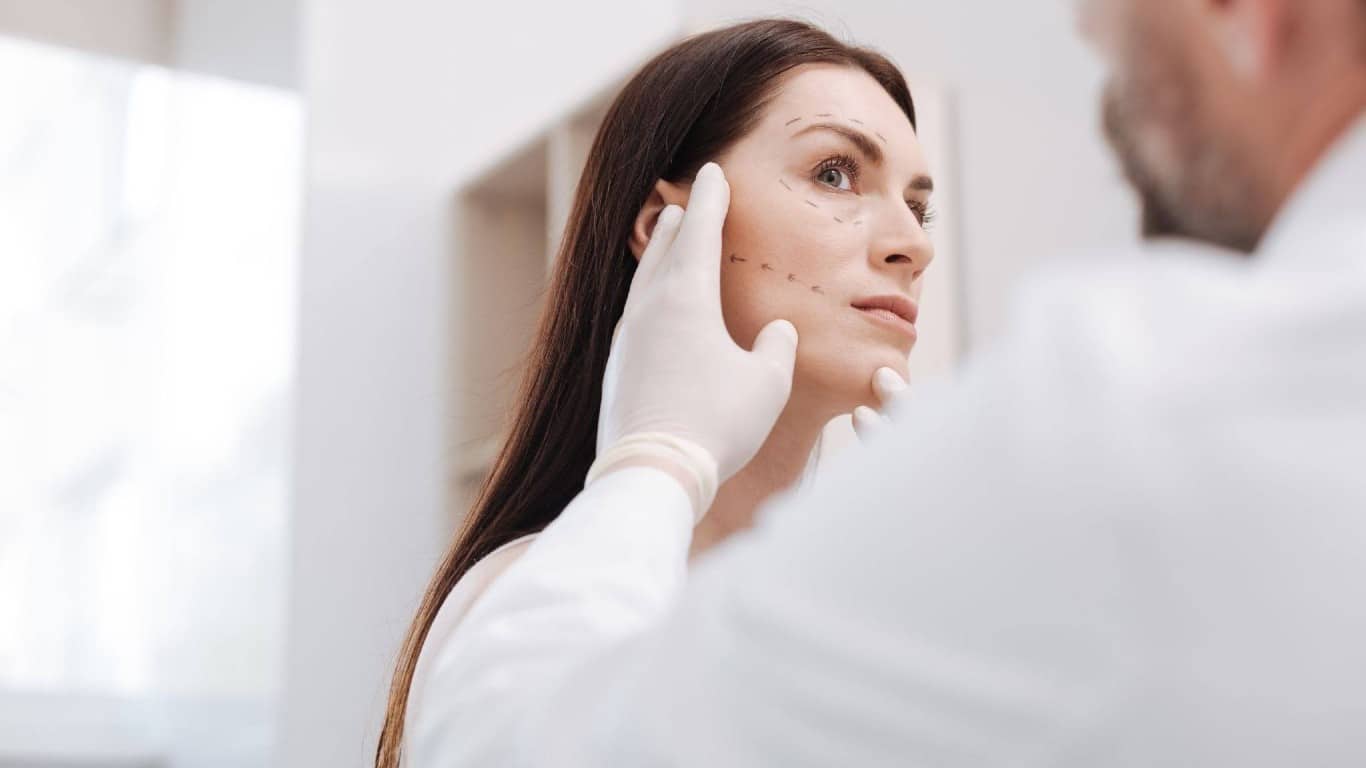
The journey of breast reconstruction is a multi-step process that requires careful planning and consideration. It often begins with a consultation with a reconstructive surgeon. Here the patients discuss their medical history, aesthetic goals, and the different reconstruction options. The surgery itself can be performed at the same time as the mastectomy (immediate reconstruction) or at a later date (delayed reconstruction), depending on the patient’s health and treatment plan.
The reconstruction process may involve several stages. These include the initial reconstruction of the breast mound, followed by additional surgeries for symmetry and detail, such as nipple reconstruction. Throughout this journey, open communication with the medical team is essential to ensure that the patient’s expectations are aligned with the achievable outcomes.
Patient Stories: Real-life Experiences of Hope and Transformation
The stories of breast cancer survivors who have undergone reconstruction are testaments to resilience and hope. Many women share how reconstruction helped them regain a sense of normalcy and confidence after the turmoil of cancer. For instance, a survivor might recount the joy of wearing her favorite dress again or feeling whole when she looks in the mirror, illustrating the profound impact of reconstruction on her life.
These narratives often highlight not just the physical transformation but also the emotional healing that accompanies it. They speak of the journey from feeling like a patient to feeling like a survivor, and the role that breast reconstruction played in that transition. These stories are powerful reminders of the strength and courage of breast cancer survivors and the transformative power of reconstructive surgery.
Aftercare and Support: The Importance of Post-Operative Care
Aftercare is a critical component of the breast reconstruction process. It involves not only the physical healing and management of post-surgical care but also emotional support and counseling. Patients may need assistance with wound care, pain management, and adjusting to the changes in their bodies. Follow-up appointments are crucial to monitor the healing process and address any complications.
Emotional support, whether through counseling, support groups, or individual therapy, is equally important. Breast reconstruction is a significant emotional journey, and having a strong support system can greatly aid in recovery. This support can come from healthcare professionals, family, friends, or support groups comprising individuals who have gone through similar experiences.
The Power of Reconstruction in Healing and Recovery
Breast reconstruction after cancer is more than a physical reconstruction; it’s a crucial step in the healing and recovery process for many survivors. It offers a way to reclaim one’s body and identity after the life-altering experience of cancer. The journey of reconstruction is unique for each individual, encompassing physical, emotional, and psychological aspects.
The power of this process lies in its ability to restore not only the physical form but also to bolster the survivor’s self-esteem and sense of wholeness. It symbolizes a triumph over cancer, a celebration of survival, and a hopeful step towards a future where the scars of cancer are met with resilience and strength. Breast reconstruction stands as a testament to the indomitable spirit of survivors and the remarkable capabilities of modern medicine to aid in their journey of recovery and renewal.