
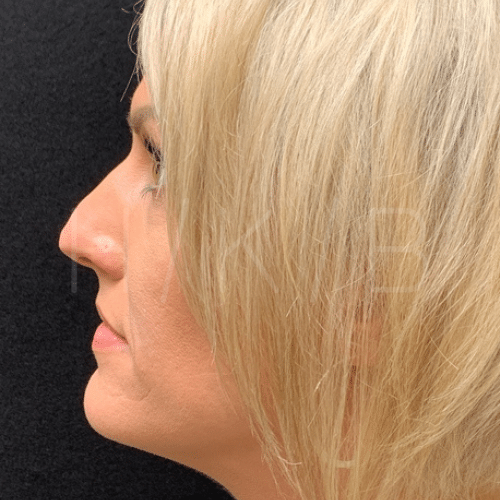
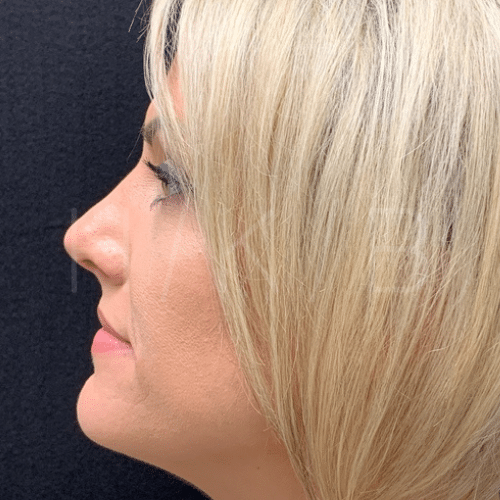
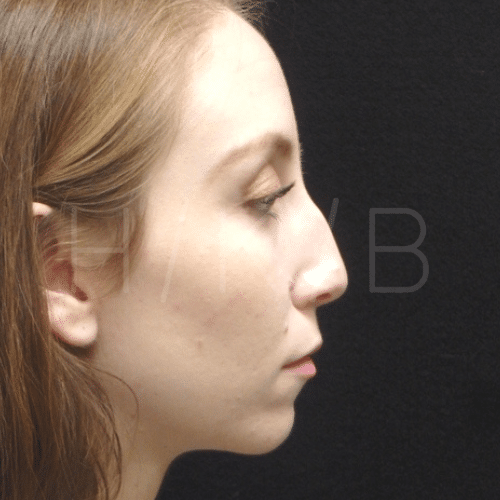
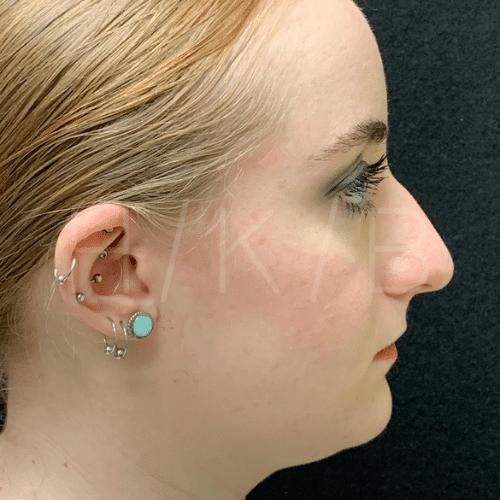
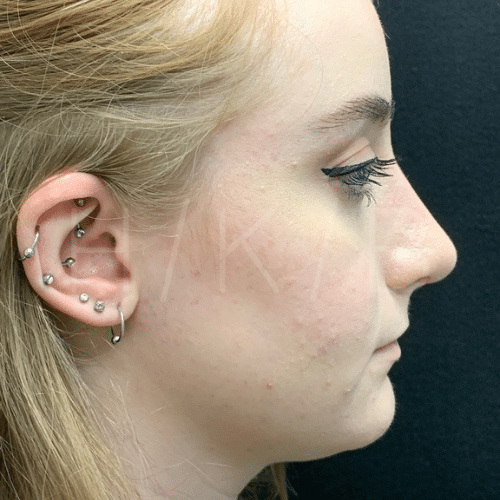
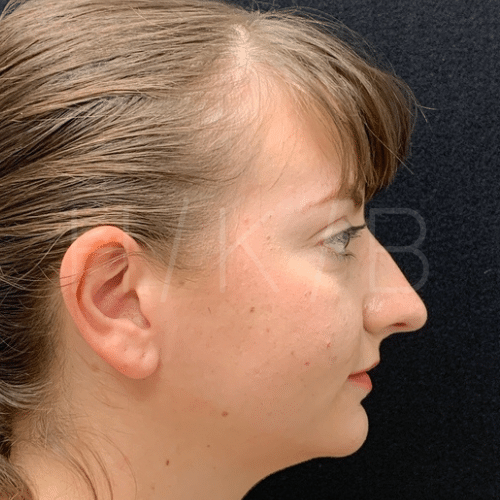
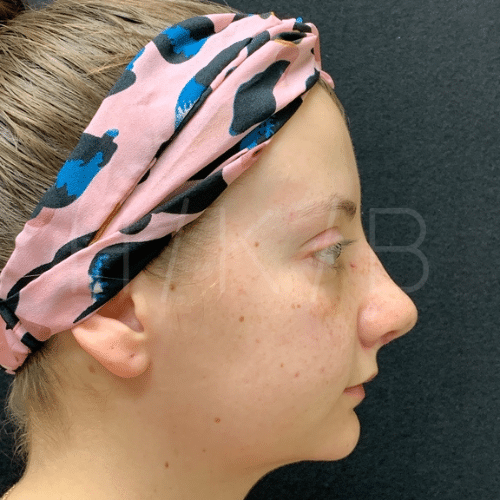
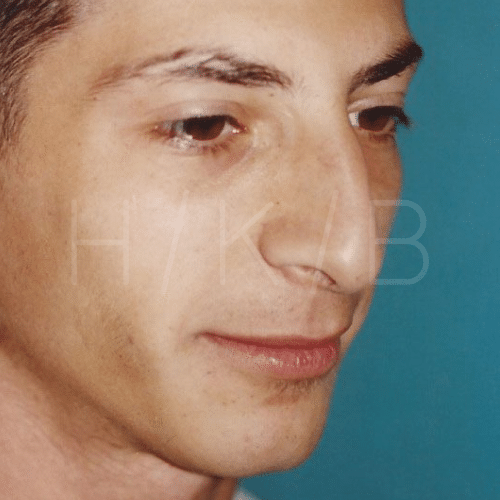
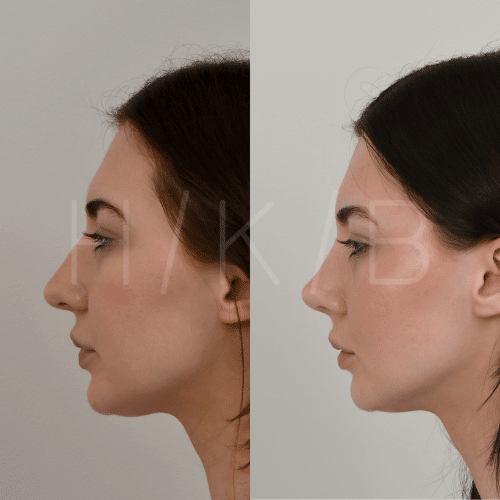
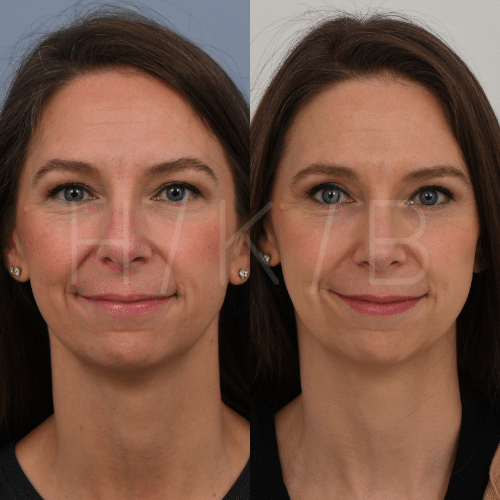
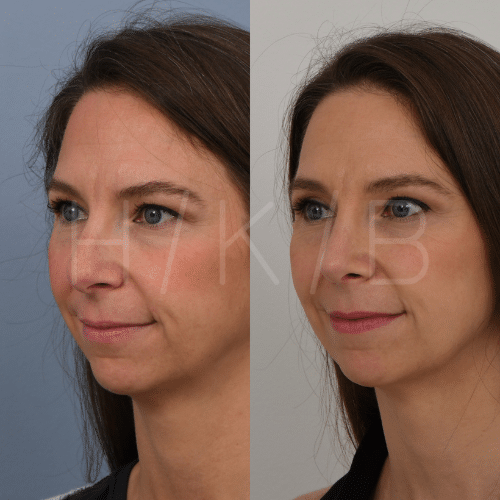
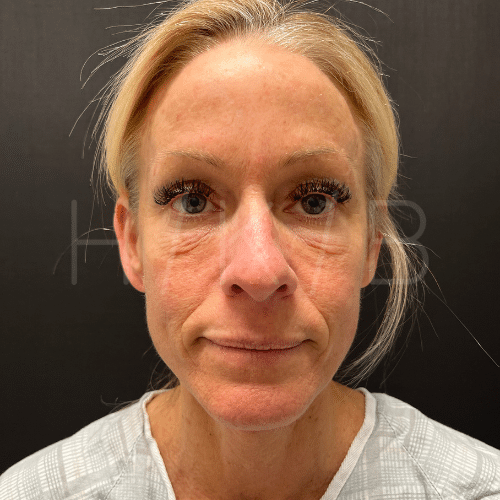
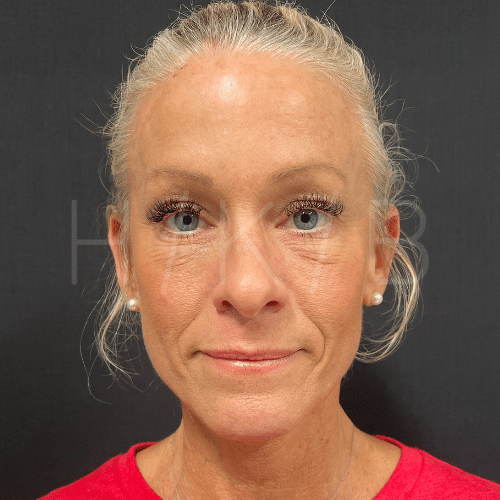
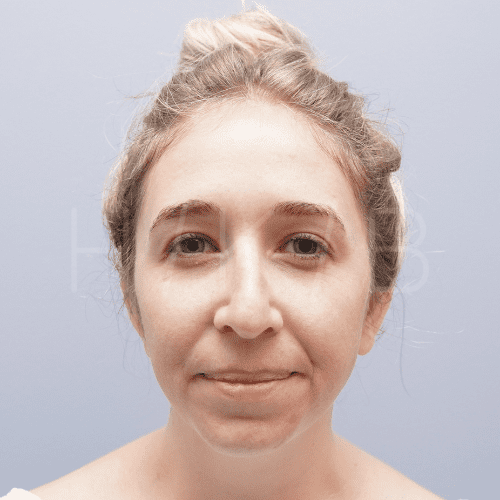
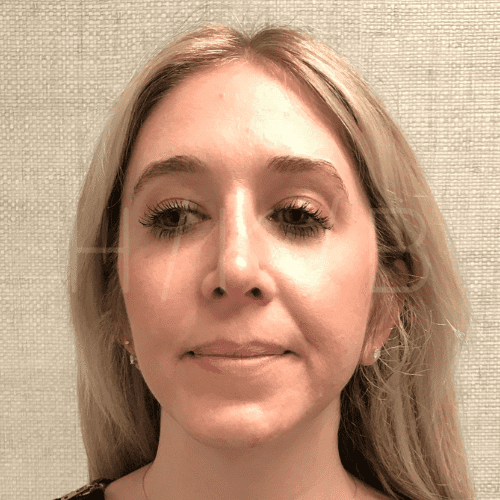
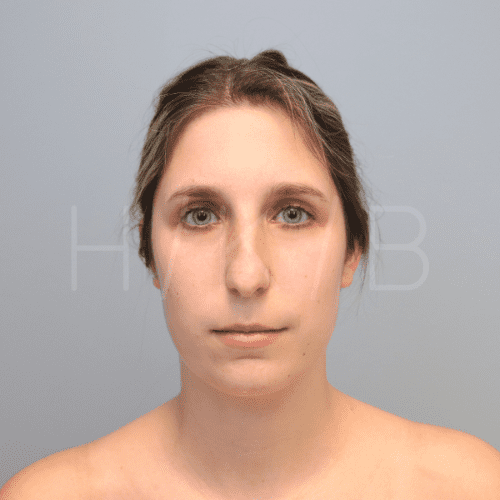
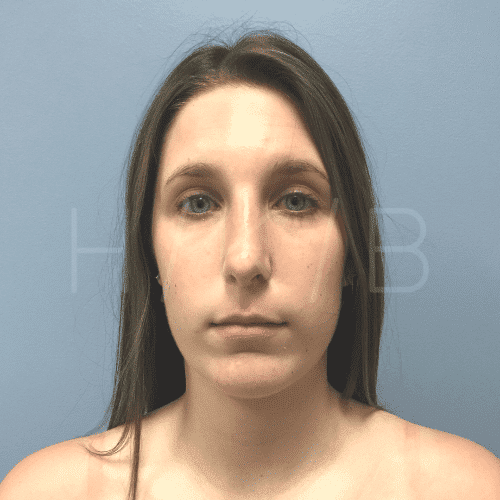
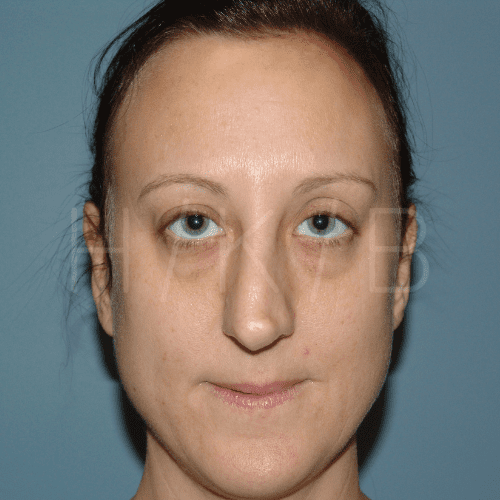
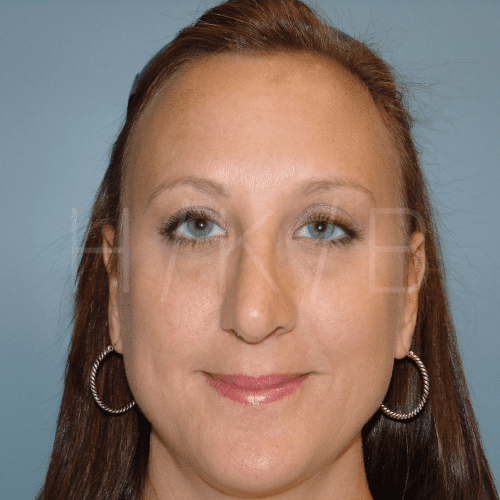
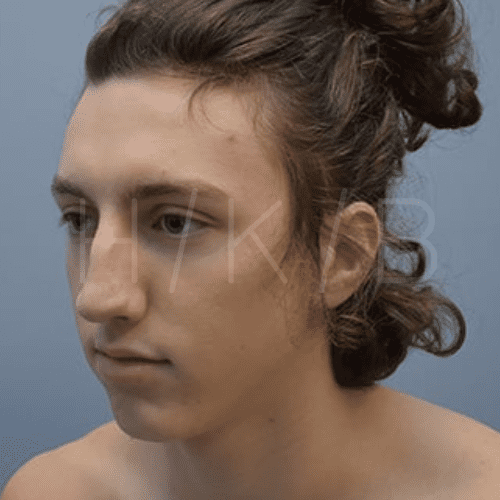
What to Expect?
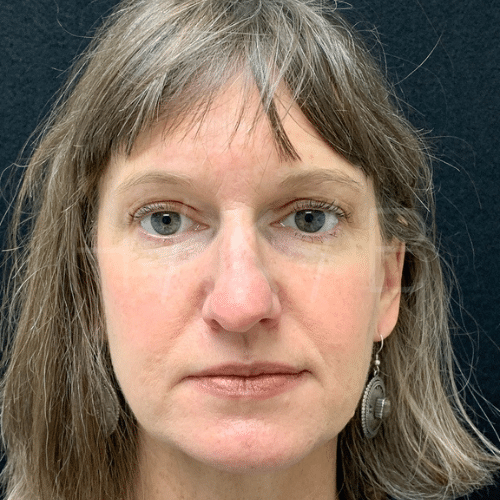
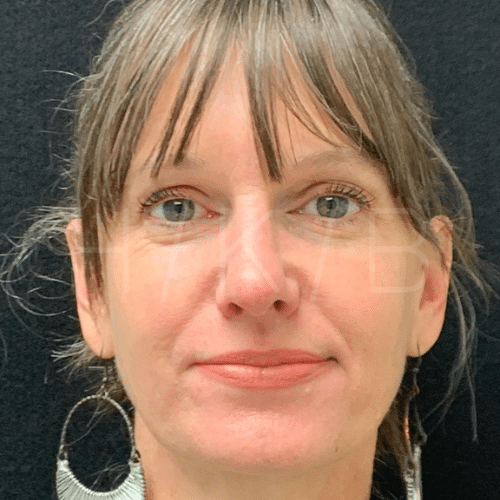
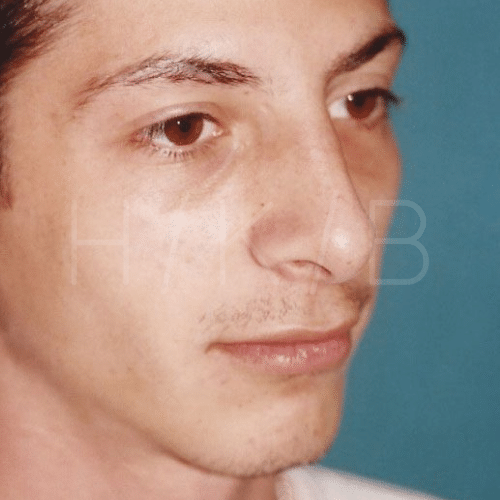
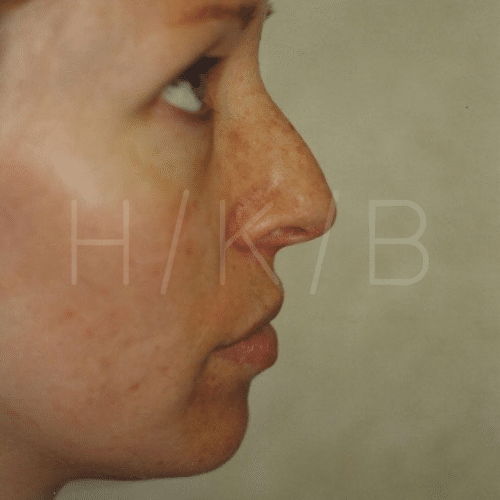
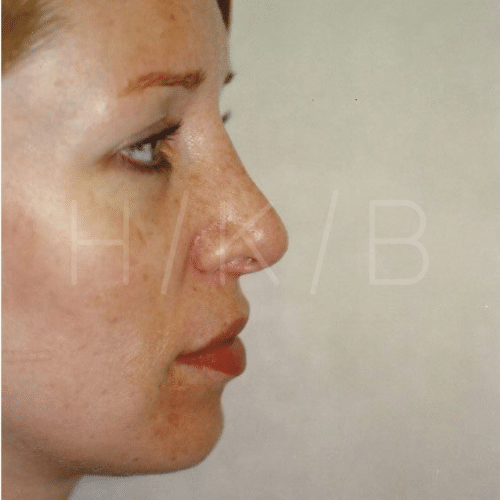
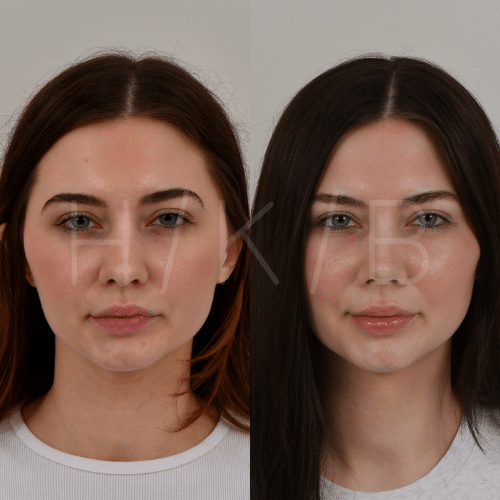
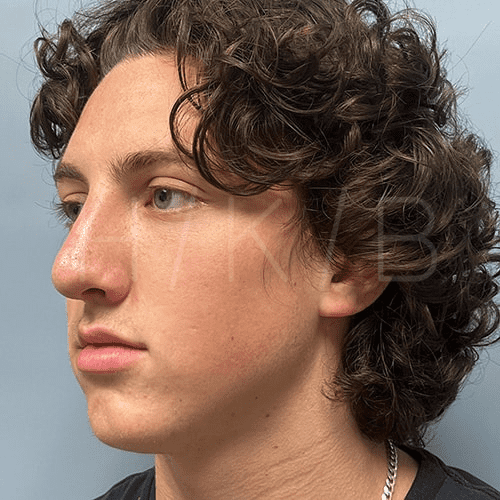
Rhinoplasty surgery focuses on reshaping the underlying structures of the nose, including cartilage, bone, and soft tissue. Depending on your goals, this may involve smoothing a dorsal hump, refining the nasal tip, narrowing the bridge, or correcting asymmetry. In some cases, rhinoplasty can also improve breathing by addressing structural issues such as a deviated septum. Your surgeon will evaluate your facial proportions and nasal anatomy to determine whether an open or closed rhinoplasty technique is best suited to achieve your desired outcome.
Recovery Time
During the recovery period after rhinoplasty nose surgery, bruising and swelling usually occur, as well as nasal congestion (a stuffy nose). Minor bruising is common and usually resolves within a few weeks. While this can be slightly uncomfortable, most patients are surprised by how quickly it begins to heal after a few days. To minimize swelling and promote healing, it is important to keep your head elevated during the initial recovery period.
Rhinoplasty patients are often quite surprised at the low level of pain and discomfort they feel. For most patients, rhinoplasty is not a very painful procedure to experience. Residual swelling can persist for several months and may take up to a year to fully resolve.
Follow-up visits vary depending on the complexity of your procedure and the preferences of the surgeon, but typically range from two to eight visits over the course of a few weeks. Most patients return to work after the nasal cast is removed, typically within a week.
Resuming exercise will be determined by your surgeon and based on the complexity of your procedure. However, in most cases, patients can resume most physical activities within a few weeks.