
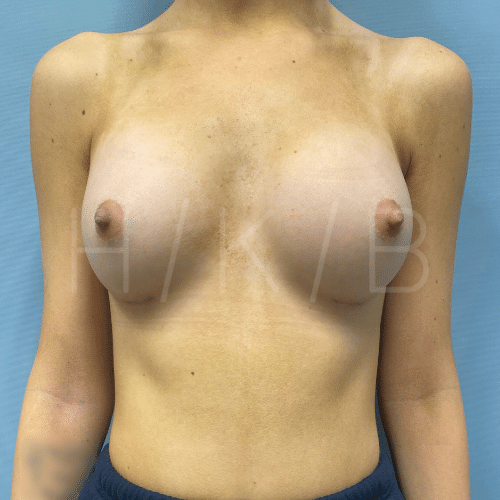
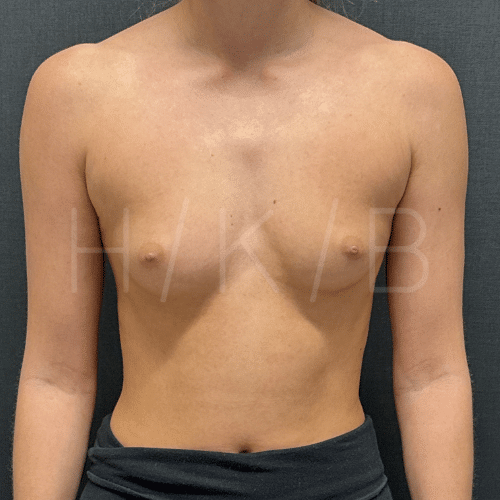
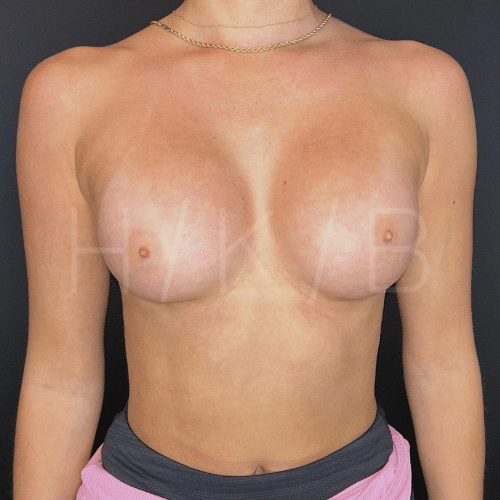
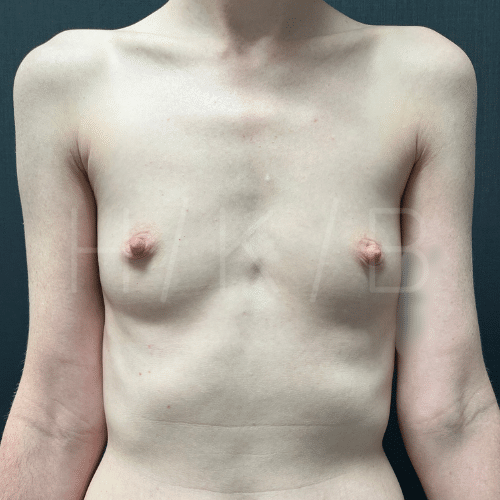
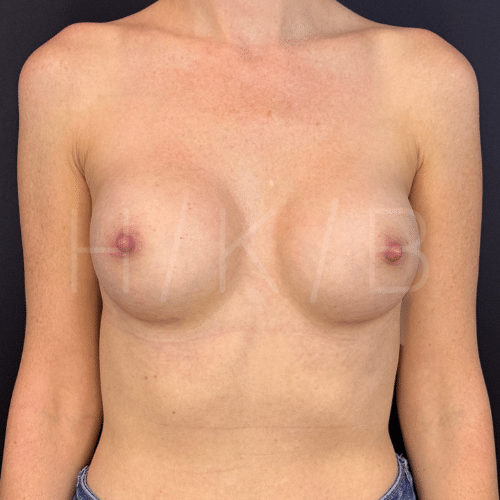
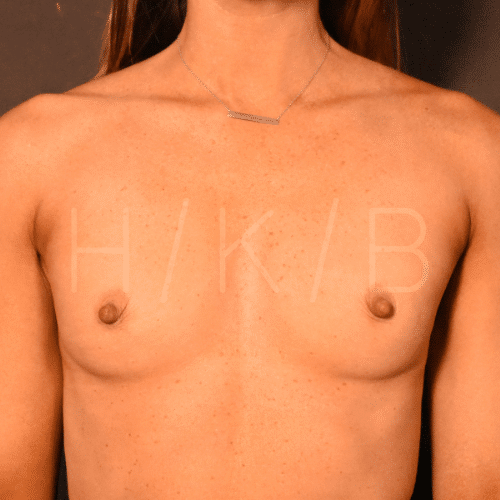
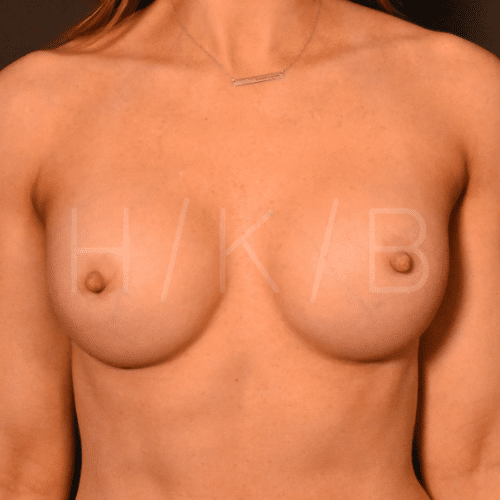
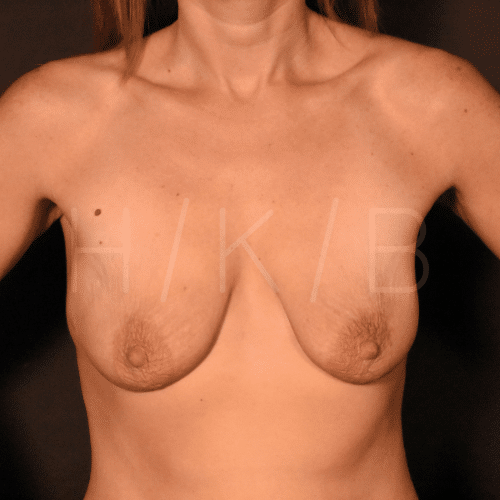
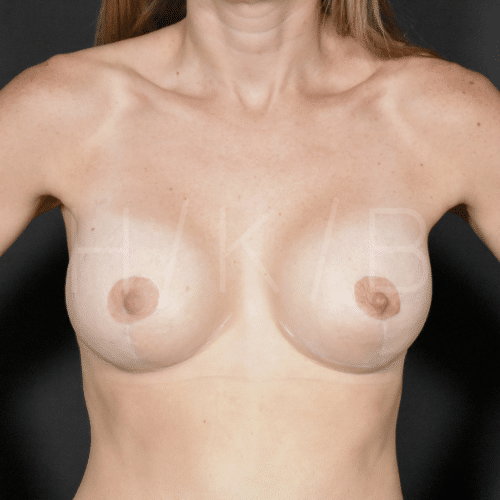
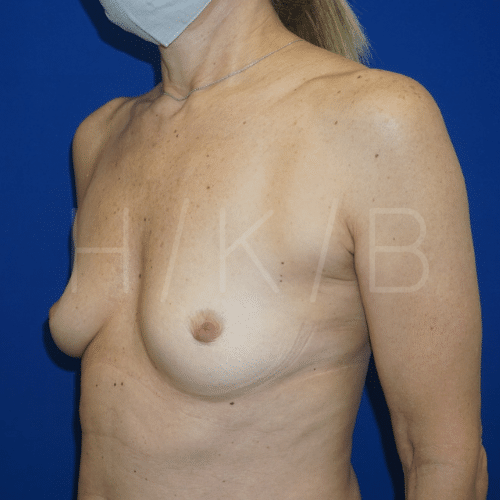
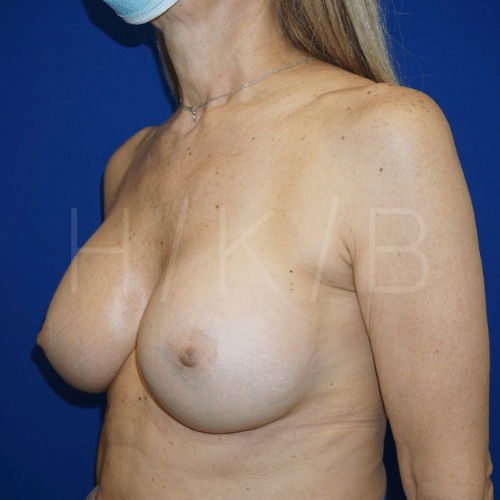
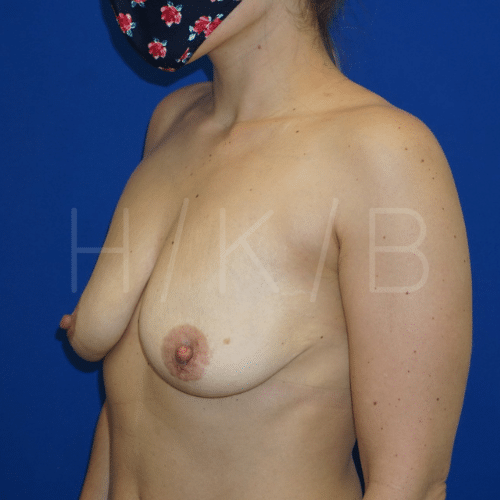
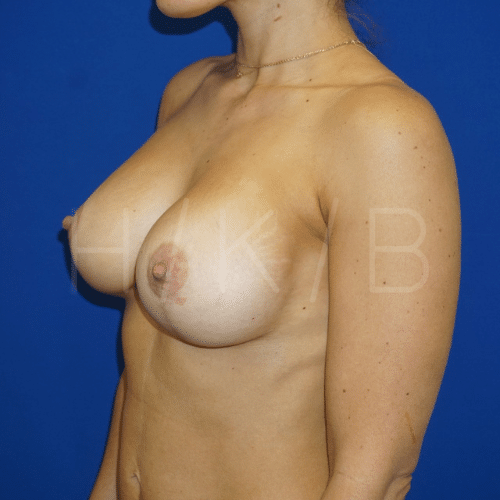
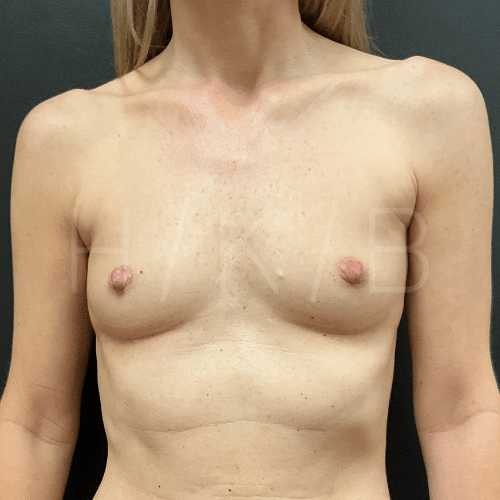
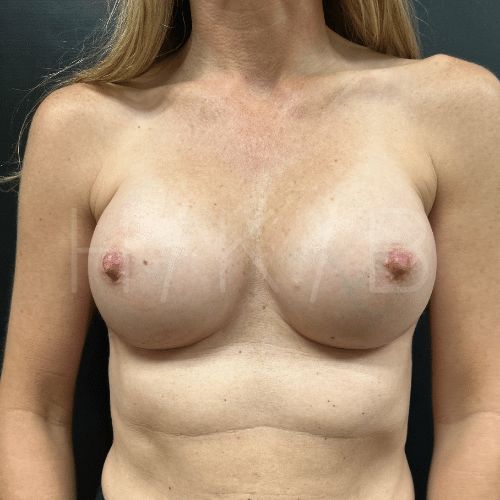
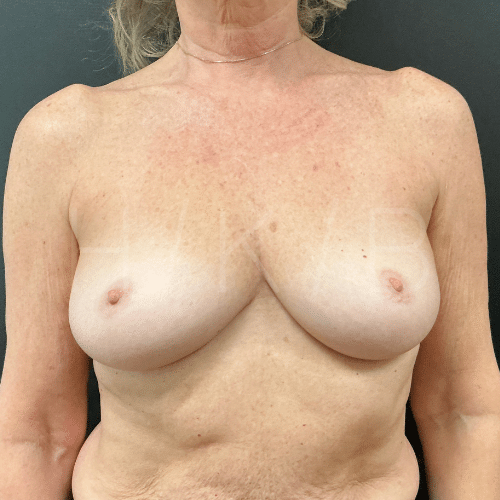
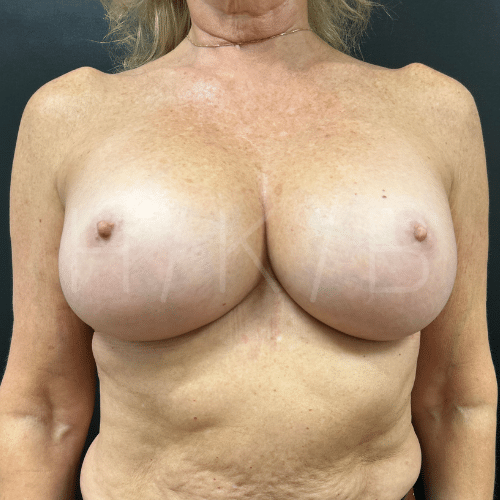
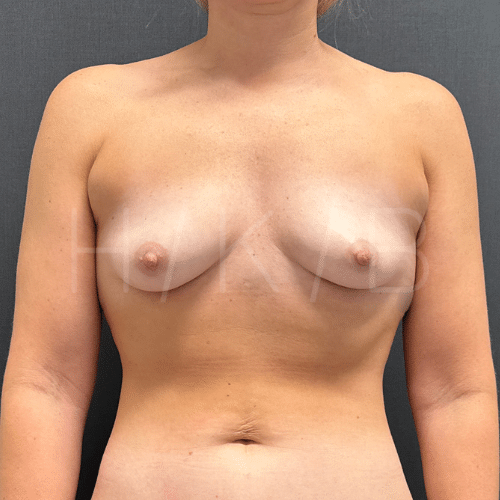
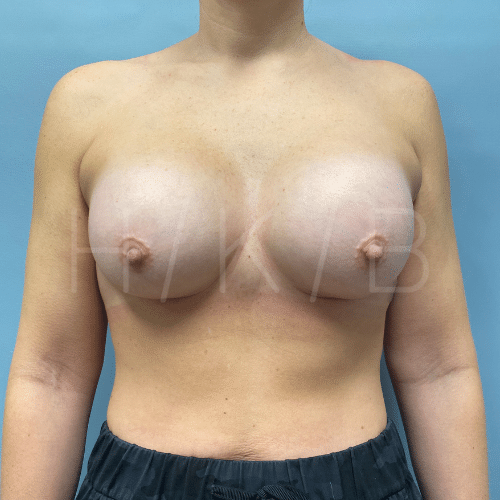
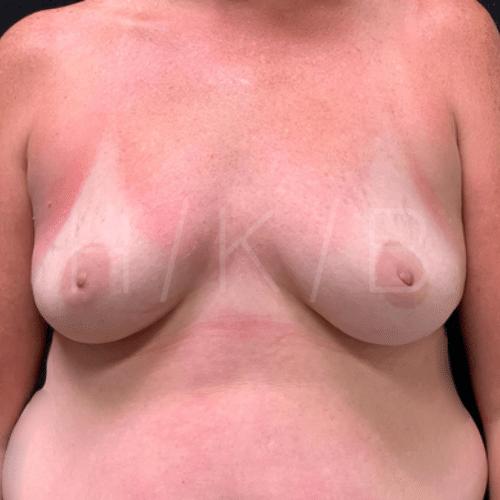
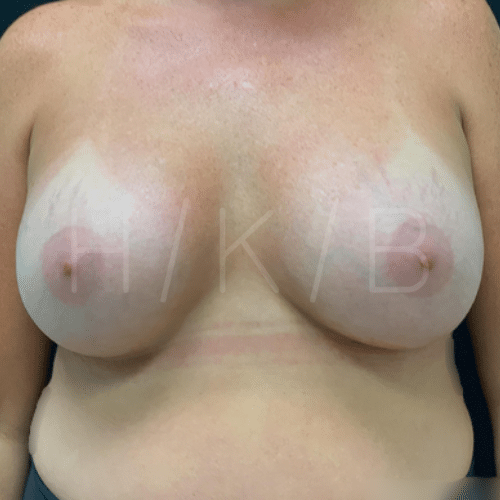
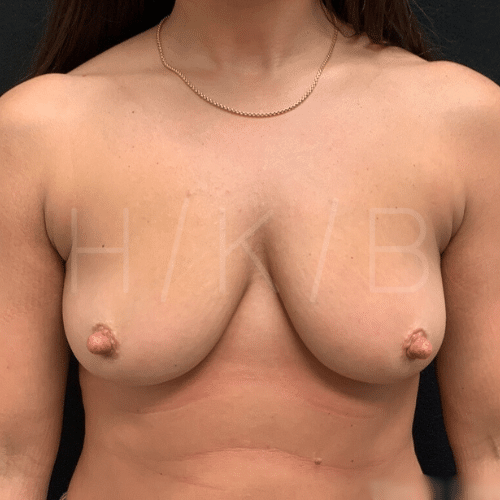
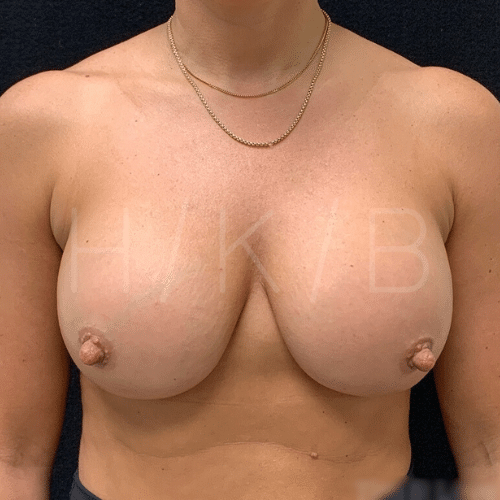
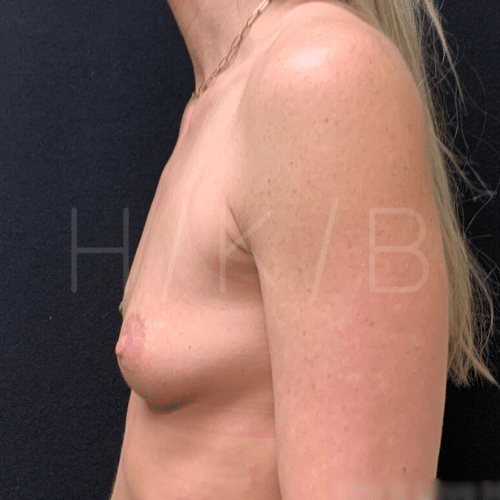
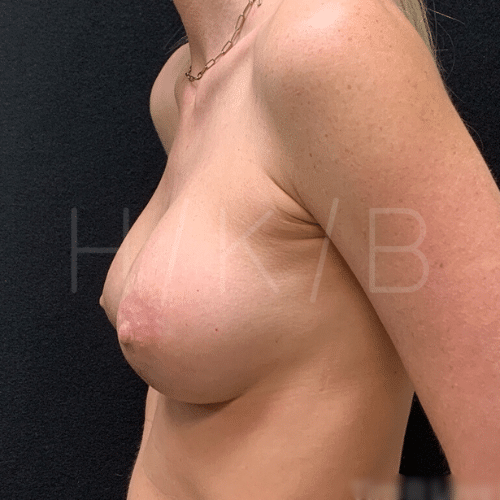
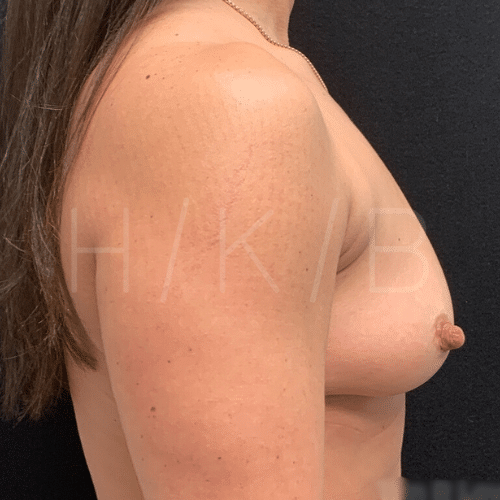
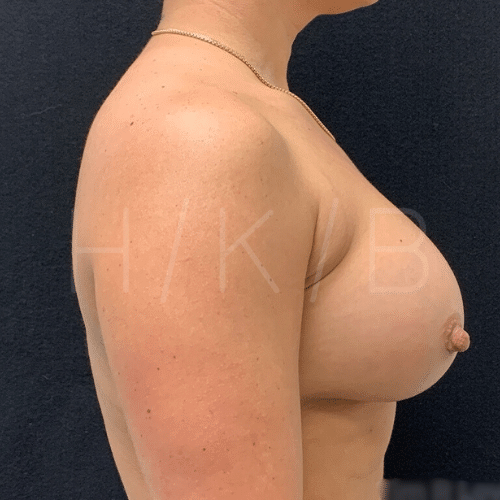
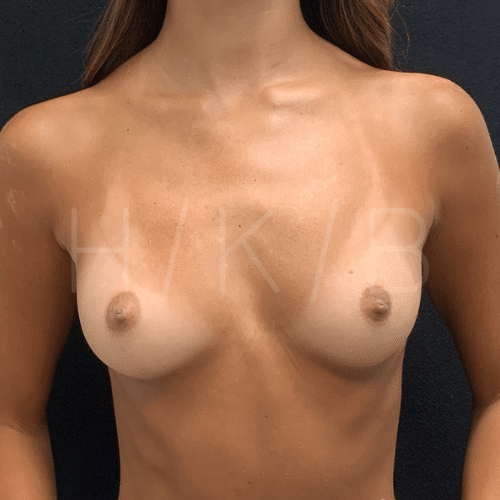
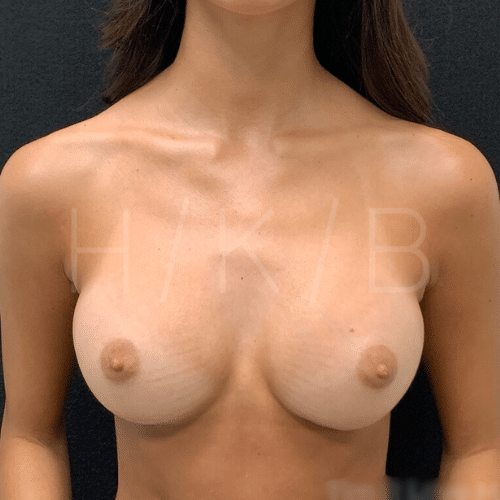
Breast Augmentation

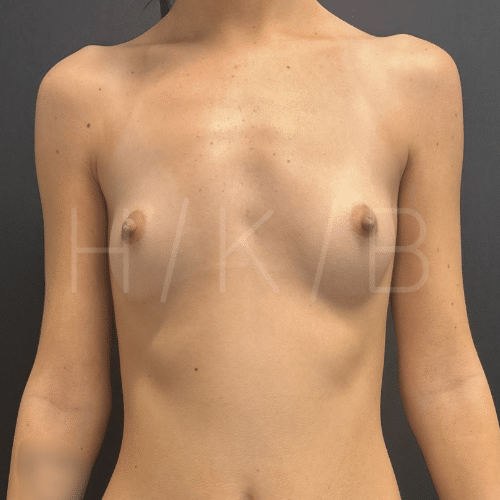
The plastic surgeons of H/K/B are well-known for their expertise in Breast Augmentation. Breast augmentation surgery is the most popular cosmetic procedure here in the United States. Whether you’re a mother seeking your pre-pregnancy form, or you recently lost considerable weight along with your breast firmness, breast augmentation is a procedure worth consideration.

Perhaps you have suffered the effects of breast cancer or were born with breasts that just don’t fit your frame, breast augmentation is a solution you may desire. When you consider breast implants, you want to know two things: that your surgery will be safe and that you will look great afterwards. The plastic surgeons of H/K/B are well-known for their expertise, extensive training, and experience in breast augmentation. Our surgeons have performed hundreds of successful breast augmentation surgeries. When you come to H/K/B Cosmetic Surgery you are treated like royalty in our state-of-the-art, fully accredited surgical facilities.

Now, with Vectra 3D Imaging, you can get a glimpse of how a customized breast augmentation will fit you. You can view different shapes and sizes and how they look on you. This advanced technology ensures your surgeon will know what outcome you desire. Breast augmentation may be done in concert with a breast lift. If you have had an unsuccessful breast augmentation, we offer breast augmentation revision surgery.

What to Expect?

Breast augmentation is an outpatient procedure done under general anesthesia. It takes less than one hour.

We offer all methods of breast enlargement and incision placement, as well as various FDA-approved implant shapes, in silicone and saline. The advanced techniques we employ allow us to create incisions in inconspicuous locations, either in the apex of the armpit, peri-areolar (an incision under the nipple at the areola where the color changes naturally), inframammary (under the crease of the breast), or the TUBA technique, in which the implants are inserted through an incision inside the navel.

We also provide three options for placement of your implants:

Sub-glandular – the implant is placed directly under the gland of the breast.
Sub-muscular – the implant is placed under the pectoralis major muscle.
Sub-facial – a newer technique in which the implant is placed below a thin, but strong layer of connective tissue that covers the pectoralis major muscle. With this method, you get the “internal bra” benefit of the sub-muscular technique without implant animation that causes the implants to move when the muscles contract.

Recovery Time

How long will I be out of work?
Desk job, usually about 5-7 days. Jobs that require lifting or more activities usually closer to 2 weeks.


Frequently Asked Questions

A consultation with a qualified provider can help determine whether Breast Augmentation aligns with your goals, anatomy, and overall health. Ideal candidates are typically individuals seeking targeted aesthetic improvement and realistic results.

Many patients choose to combine Breast Augmentation with other procedures or treatments as part of a personalized treatment plan. Your provider can recommend options that complement your goals and enhance overall results.

The longevity of results from Breast Augmentation can vary depending on factors such as the technique used, lifestyle habits, and individual anatomy. Your provider can explain what to expect and how to maintain results during your consultation.

The most important measurement is the base diameter of your breast, ie how wide the breast is from the breast bone to the axillary line. The closer we stay to that diameter the more natural the breast result will be. Then by your desire of size, we can pick a wider or narrower implant to achieve that goal. I take in to account the size of your shoulders, abdomen, and hips to make things proportional.

The most important dimension for me is the base diameter of the breast. This means the distance from the breast bone to a line dropped down from the armpit. Then the size you want, and we can adjust the profile of the implant to match that diameter. I do work with the size of the shoulders, hips and abdomen to have a well proportioned result.

I like smooth round gel implants. Silicone gel implants feel and look the most natural. Shaped implants I feel are a little too firm besides other potential problems with them.

Yes. The amount is determined by the placement of the implants, and the style/projection of the implant.

We have determined that microscopic collections of skin bacteria may lead to tightening of the scar tissue around the implant (capsular contracture). The Keller funnel allows us to place the implant in the pocket without touching the skin and therefore minimizing greatly the bacteria from affecting the pocket.

The position of the nipple complex determines the need for a lift in most cases. If a finger is placed in the fold under the breast and then transposed to the front of the breast, that determines the proper position of the nipple complex. If it is up to an inch below, then a small uplift is needed, ie just around the nipple complex. If it is more than that, then a lollypop type lift may be needed. The implant will lift the nipple complex to a degree as well. I do not like to put an extra large implant in place to avoid a lift, as many other problems can arise due to that.

It can be performed under sedation, LMA general anesthesia or intubation general anesthesia. The choice depends on different anatomic factors around your mouth, neck region, and your medical problems as well as your comfort with the procedure.

Yes, at least the first night to help due to the possible residual effects of anesthesia.

Yes. I like to place a bra on my patients at the time of surgery, and recommend using one around the clock when not in the shower for the first 2 weeks, and then as much as possible when upright till come control of the pocket occurs.

Each person is different. Each surgery is different. Depending on the size of the implant, your body frame, the pocket placement different activities may be started at different times. General rule of thumb would be running at about 2-3 weeks, and upper body activities longer.

Desk job, usually about 5-7 days. Jobs that require lifting or more activities usually closer to 2 weeks.