How Long Does Liposuction Recovery Actually Take?
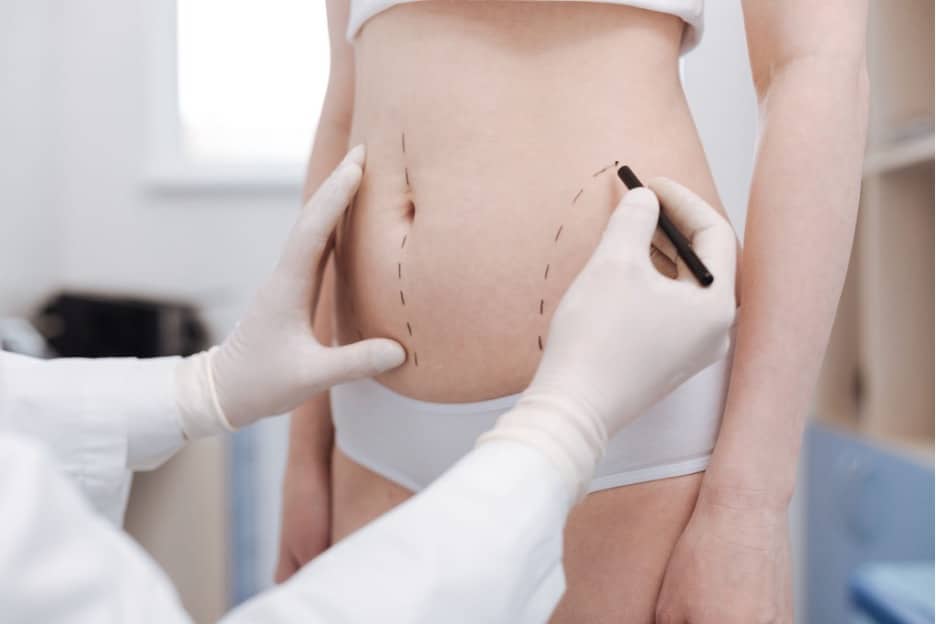
If you’re considering liposuction, you’ve probably seen very different opinions about recovery. Some people say they felt fine within days. Others describe swelling that lingered for months.
Recovery usually falls somewhere in between and happens in stages.
You may feel ready to return to daily activities fairly quickly, but your body continues healing beneath the surface as swelling decreases and the treated areas gradually refine. Understanding how recovery typically unfolds can help you plan time off, manage expectations, and feel more confident going into the process.
Below is a realistic overview of what many of our patients experience after liposuction and what can influence your individual timeline.
What Recovery Means After Liposuction
When patients ask about recovery time, they’re often thinking about two different milestones. One is when they’ll feel comfortable returning to work, errands, and social activities. The other is when the final contour becomes visible.
Those timelines don’t always match. Early recovery focuses on comfort, mobility, and swelling control. Visual refinement continues as tissues settle and fluid retention resolves over time. Both phases are part of the healing process.
Liposuction Recovery Timeline
Every patient heals differently, and your surgeon’s instructions should always guide your recovery. Most patients, however, follow a similar general pattern.
Week 1: Early Healing
During the first several days, swelling, bruising, and soreness are usually most noticeable. Many patients describe tightness or tenderness in the treated areas. Activity is typically limited to light movement and short walks as recommended by your care team.
You’ll likely wear a compression garment during this phase to support healing and help manage swelling.
Weeks 2–3: Gradual Return To Routine
Swelling remains present but usually becomes easier to manage. Many patients feel more comfortable moving around and may be able to return to desk-based work, depending on the extent of treatment and personal comfort levels.
Physically demanding jobs may require additional recovery time.
Weeks 4–6: Visible Improvement
Bruising often resolves during this period, and swelling continues to decrease. Clothing may begin to fit differently as contour changes become easier to see. It’s still common for swelling to fluctuate, especially later in the day or after increased activity.
Months 2–3: Continued Refinement
At this stage, the treated areas often look more natural and balanced as residual swelling gradually settles. Patients who had multiple areas treated or higher-volume liposuction may notice changes continuing steadily during this phase.
Months 3–6: Longer-Term Healing
Final contour changes typically become clearer as the tissues stabilize and swelling continues to resolve. Healing continues at a slower pace, and subtle changes may still occur.
Returning To Work After Liposuction
How quickly you return to work depends on your procedure and the physical demands of your job.
- Office or desk-based roles may allow a return within one to two weeks for many patients.
- Jobs involving lifting, prolonged standing, or physical exertion often require a longer recovery period.
Your surgeon will provide guidance based on your treatment plan and how you’re healing.
Resuming Exercise And Physical Activity
Light walking is often encouraged early in recovery as directed by your care team. More strenuous exercise usually resumes later once swelling and tenderness improve and your surgeon clears you.
Progress tends to work best when activity increases gradually rather than all at once. This approach helps minimize unnecessary swelling and supports consistent healing.
Why Recovery Timelines Differ Between Patients
Recovery varies from person to person for several reasons:
Treatment Area And Scope
More treatment areas or higher-volume procedures often involve more swelling and a longer recovery curve.
Skin Quality And Healing Response
Elasticity, circulation, and individual inflammatory response can influence how quickly swelling resolves and tissues tighten.
Overall Health And Lifestyle
Nutrition, hydration, sleep quality, and stress management all affect healing.
Aftercare Consistency
Wearing compression garments as instructed, following activity guidelines, and attending follow-up visits support smoother recovery.
Supporting A Comfortable Recovery
Small, consistent habits tend to make the biggest difference:
- Follow garment and wound care instructions carefully
- Take short walks as recommended
- Avoid pushing activity too quickly
- Stay hydrated and prioritize balanced nutrition
- Keep scheduled follow-up appointments
If anything feels unusual or concerning during recovery, contacting your care team early allows issues to be addressed promptly.
Plan Your Recovery With Confidence
Most patients begin feeling comfortable with daily activities within a few weeks, while visible refinement continues over several months as swelling gradually resolves. Your individual timeline depends on your procedure plan, your body’s healing response, and how closely aftercare guidance is followed.
If you’re exploring liposuction and would like a personalized recovery discussion based on your goals and lifestyle, a consultation with one of H/K/B’s surgeons can provide clarity and tailored guidance.
Schedule a visit to begin the conversation.
This content is for general educational purposes and does not replace medical advice. Your recovery plan should always be discussed directly with your surgeon.