
Eyelid Surgery with H/K/B Cosmetic Surgery
Our eyes are arguably the most important feature on our faces. Yet, the area is also usually the first to form lines, wrinkles, sagging skin, and bags. It’s downright unfair! For this reason, eyelid surgery, or blepharoplasty, is one of the most popular procedures at H/K/B Cosmetic Surgery for both men and women. When done with skill, eyelid surgery can make your entire face look younger even though the work has only been done on the upper part of the face.
At the same time, the effect is not so obvious that people will automatically know you’ve had work done. Obviously, the eye area is delicate, so your choice of surgeon is important, both for safety and for an excellent result. At H/K/B, we understand the intricacies of the skin and muscles around the eyes and are well-versed in the latest techniques in eyelid surgery.
To learn more about eyelid surgery at H/K/B Cosmetic Surgery, complete our online form today to schedule a visit.
Who Is a Good Candidate for Eyelid Surgery?
The ideal candidate for blepharoplasty is someone in good overall health who has realistic expectations and is bothered by drooping upper eyelids, under-eye puffiness, or excess skin that affects their appearance or vision. Most patients seeking eyelid surgery are in their 40s or older, though candidates as young as their mid-20s may qualify if hereditary drooping runs in the family. You may be a strong candidate if you:
- Have heavy, sagging upper eyelids that make you look tired, angry, or older than you feel
- Experience under-eye bags or puffiness that persist, regardless of sleep or lifestyle
- Notice that excess upper-eyelid skin is beginning to obstruct your peripheral vision
- Are a non-smoker in good general health and free from uncontrolled conditions such as glaucoma, severe dry eyes, or thyroid disorders
- Have lost facial volume or skin elasticity around the eye area due to aging
Candidates who are not yet ready for a full facelift often find that eyelid surgery alone delivers a striking, natural-looking rejuvenation because when people talk to you, they look at your eyes first.
What Can I Expect During Eyelid Surgery?
Both upper blepharoplasty and lower blepharoplasty, or eyelid surgery, can be performed on an outpatient basis using local anesthesia and sedation at our fully accredited surgical facilities, where our highly qualified nurses will pamper you. Our nurses are certified in advanced cardiac life support, which ensures the highest level of supervision, evaluation, and care in the unlikely event of an emergency. We also work with advanced anesthesia providers.
For the upper eyelids, the incision typically begins within the natural crease of the eye’s inside corner and extends slightly beyond the outside corner into the crow’s feet or laugh lines. The incision line follows the natural contour of the upper eyelid and is camouflaged when healed. Through this incision, the cosmetic surgeon removes excess skin and fatty tissue so that the area is smoother and firmer.
For the lower eyelids, the incision is typically concealed just below the lower lashes where excess skin, muscle, and fat are removed to create a more youthful lower lid. The fat beneath the eye can also be redistributed to remove puffiness or bulges. In some patients, the underlying muscle will be tightened. Many times, a transconjunctival lower lid blepharoplasty is possible where the incision is inside the eyelid where there is no visible scar. Even if the incision is made below the lower lash line, the scar will not be visible.
What Is the Difference Between Upper and Lower Blepharoplasty?
Blepharoplasty can be performed on the upper eyelids, lower eyelids, or both. If you have a drooping upper lid that hangs over your eyes and makes them less prominent, an upper eyelid lift can bring your eyes out of hiding. The eyelid surgery can also often smooth frown lines and other fine lines around the eyes.
If you have bags or puffiness under your eyes, a lower eyelid lift can smooth out the area and make your eyes look young again. Tear troughs, the deep hollows under the eyes, can also be corrected.
Blepharoplasty is often performed in conjunction with a forehead/brow lift, facelift, or neck lift for an overall more youthful look.
What Can Blepharoplasty Do For Me?

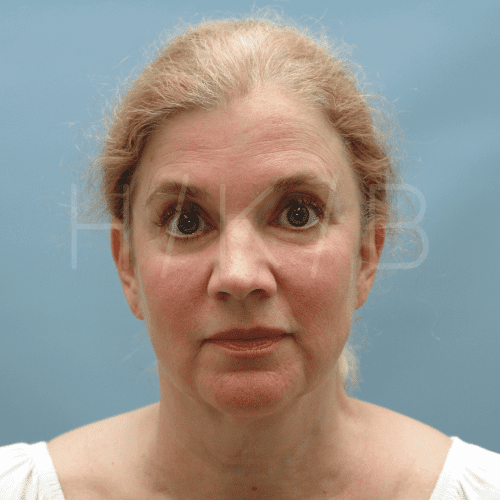
Blepharoplasty can be performed on the upper eyelids, lower eyelids, or both. If you have a drooping upper lid that hangs over your eyes and makes them less prominent, an upper eyelid lift can bring your eyes out of hiding. The eyelid surgery can also often smooth frown lines and other fine lines around the eyes.
If you have bags or puffiness under your eyes, a lower eyelid lift can smooth out the area and make your eyes look young again. “Tear troughs” – deep hollows under the eyes – can also be corrected.
Blepharoplasty is often performed in conjunction with a forehead/brow lift, facelift, or neck lift for an overall more youthful look.
Can Eyelid Surgery Fix Hooded Eyes?
Upper blepharoplasty is one of the most effective surgical solutions for hooded eyes, which occur when excess skin on the upper lid folds down over the lash line. Hooding can be caused by age-related skin laxity, genetics, or a combination of both. During the procedure, the surgeon precisely removes the redundant tissue responsible for the hooded appearance, restoring the natural definition of the upper eyelid crease and creating a more open, alert look.
In cases where hooding is partly driven by brow descent, your H/K/B surgeon may recommend pairing your upper blepharoplasty with a brow lift for a more comprehensive result. During your consultation, we assess the anatomy of your entire upper face to recommend the most targeted approach for your unique concerns.
Does Eyelid Surgery Have Functional Benefits Like Improved Vision?
In many patients, drooping upper eyelid skin is not only a cosmetic concern. It can also impair peripheral or superior vision, making everyday tasks like reading, driving, or working at a computer more difficult. When a surgeon documents that excess upper eyelid skin is obstructing the visual field, the procedure may qualify as a functional (medically necessary) blepharoplasty rather than a purely cosmetic one. In these cases, a portion of the cost may be covered by insurance or Medicare.
At H/K/B, our surgeons perform a thorough functional evaluation during your consultation to determine whether a vision-related component exists and can guide you through the insurance documentation process, if applicable. Even when the procedure is primarily cosmetic, many patients report feeling like they can “see more” once heavy, drooping skin is lifted away.
How Long Does It Take To Recover From Eyelid Surgery?
The recovery time from an upper or lower blepharoplasty (or combination eyelid surgery) is 1 to 2 weeks. Your eyes may tear up and also feel dry, and there will be some bruising and swelling. We will give you eye drops to speed the healing process and prevent infection, and you can easily control any pain and discomfort with medication.
You can keep swelling to a minimum if you keep your head elevated for the first few days, and sleeping on your back will be most comfortable. Strenuous activities should be avoided for a few weeks.
Of course, we will monitor your progress and answer any questions you have during your recovery period. Everyone ages at a different rate, so the longevity of an eyelid surgery or lift varies a great deal. For most patients, the results last 5 to 9 years.
What Should I Do to Prepare for Eyelid Surgery?
Preparation plays a significant role in the safety of your procedure and the quality of your outcome. At H/K/B, we provide detailed pre-operative instructions tailored to your health history, but the following are general guidelines most patients follow:
- Avoid blood-thinning medications and supplements (aspirin, ibuprofen, fish oil, vitamin E) for at least two weeks before surgery to minimize bruising and bleeding
- Stop smoking well in advance of your procedure, ideally 4 to 6 weeks prior, as nicotine impairs circulation and slows healing
- Arrange for a trusted adult to drive you home and stay with you for the first night after your outpatient procedure
- Prepare your recovery space with extra pillows to keep your head elevated, cold compresses, and prescribed eye drops within reach
- Avoid wearing contact lenses for several weeks after surgery, and plan to wear glasses during your initial healing period
- Plan time off work and social activities keeping in mind that most patients feel comfortable returning to light activity within 1 to 2 weeks, though final results continue to refine over several months
Your H/K/B surgeon will review your complete medical history at your consultation and provide a personalized pre-operative checklist.
How Much Does Eyelid Surgery Cost, and Is It Covered by Insurance?
The cost of blepharoplasty varies based on the scope of your procedure, the surgeon’s experience, and your geographic location. According to the American Society of Plastic Surgeons, the average surgeon’s fee is approximately $3,359 for upper blepharoplasty and $3,876 for lower blepharoplasty. When anesthesia, facility fees, pre-operative testing, and post-operative care are included, patients should typically budget between $7,000 and $11,000 for a comprehensive eyelid procedure.
Cosmetic blepharoplasty is generally not covered by insurance. However, if your upper eyelid drooping is documented to obstruct your field of vision, a functional impairment, your insurance provider may cover part or all of the cost of the upper eyelid portion. H/K/B offers financing options to make your procedure accessible, and you can visit our Financing page to learn more.
Why Are More People Choosing Eyelid Surgery Now?
Blepharoplasty has become one of the most requested facial procedures, driven by several converging trends. Increased screen time, from video calls to social media, has made people more aware of how their eyes look on camera, and the tired or aged appearance caused by drooping lids and under-eye bags has become a widespread concern. Social media platforms, like Instagram and TikTok, have also helped normalize the procedure, with patients openly sharing before-and-after results and personal experiences.
Blepharoplasty is trending among patients in their 30s and 40s who are pursuing early facial rejuvenation and choosing targeted procedures rather than waiting for more extensive intervention later in life. Advances in surgical technique, including minimally invasive approaches and combination treatments with injectables or laser resurfacing, mean patients can achieve natural, refreshed results with less downtime than ever before.
Schedule Your Eyelid Surgery Consultation with Dr. Baker in Concord, NC
Ready to learn more about eyelid surgery? Complete our form to receive more information and to schedule your consultation with one of our expert surgeons at H/K/B Cosmetic Surgery.
FAQs for Blepharoplasty with H/K/B Cosmetic Surgery
Eyelid surgery, medically known as blepharoplasty, is a surgical operation to improve the overall look of the eyelids. The procedure can target multiple aspects that impact the appearance of the eyelids, ranging from sagging eyelids and puffy eyes to fatty tissues and lax muscles. Blepharoplasty can also address redundant skin to address functional concerns and restore vision.
Eyelid surgery utilizes well-concealed incisions in the natural crease of the upper eyelid or below the eyelashes of the lower lids, blepharoplasty helps improve the appearance of:
- Loose or sagging skin that impacts natural upper eyelid contour
- Fatty deposits that cause puffy-looking eyelids
- Undereye bags
- Lower eyelids that droop and reveal the white below the iris
- Fine wrinkles and excess skin on the lower eyelid
The typical candidates for eyelid surgery are individuals in robust health who understand the full extent of the procedure’s benefits. These candidates may seek to solve aspects that range from drooping eyelids to sagging skin that may affect their overall appearance.
Most patients note that they experience minimal discomfort after the surgical operation. It is essential to note that you will be treated with local anesthesia to eliminate pain and discomfort in the targeted area during the procedure. You may also receive pain medication prescriptions after the procedure to minimize potential temporary discomfort post-procedure.
Blepharoplasty typically takes 1 to 2 hours, depending on the extent of the procedure.
Please expect to wear a bandage over your eyes for a short time after the procedure. We will encourage you to avoid strenuous exercise and other activities that increase your blood pressure after the procedure for a month or more. We may also tailor customized instructions for holistic care after the procedure.
Other instructions following eyelid surgery may include:
- No showering for 48 hours
- Avoid watching television or reading for 2 to 3 days
- No contact lenses until the incisions are completely healed
- No bending at the waist for 5 days
- Avoid sun exposure or bright light to avoid squinting for 2 weeks
To ensure optimal results from your blepharoplasty, it’s important that you exercise utmost caution and care and avoid wearing makeup for at least 7 days after the procedure.
The results of eyelid surgery typically endure for several years. It is important to note that the aging process will continue to have an impact on your overall appearance, as such, it may be necessary to undergo further revision procedures at a later date.
Lax and sagging skin can negatively affect your vision as well as your appearance. If you are considering eyelid surgery for aesthetic and functional reasons, the procedure can correct lax skin and positively impact your vision. We will be pleased to discuss your goals and elaborate on the possibilities during your consultation.
It is possible to wear contacts after eyelid surgery; however, to ensure your best results, you must wait up to three weeks or until your incisions are fully healed. During your consultation and follow-up appointments, discuss when you can resume wearing your contact lenses with your surgeon.
Eyelid surgery can positively impact dry eyes by targeting specific issues, such as drooping eyelids. If you are looking to specifically address this issue, discuss your concerns with your surgeon during your initial consultation.
Most patients get an eyelid lift between their mid-30s to 50s, but your ideal age depends on your personal needs and goals.
Yes, eyelids sag with age as your skin loses elasticity, facial muscles get weaker, and fat deposits accumulate or move.
Yes, you will receive sedation from our advanced anesthesia providers before your eyelid surgery at H/K/B.
Yes, eyelid surgery can fix hooded eyes by removing excess skin, fat, and muscle from the upper eyelid.
Our expert surgical team will give you personalized instructions on how to prepare for eyelid surgery, but in general, you should expect to stop smoking and taking blood-thinning medications for a period before the procedure. You will also need to arrange for someone to drive you home after surgery and assist you for the first 24 hours afterward.